A royal Bengal tiger slunk into the lush grass as a cuckoo called across the rocky valley. All wildlife fans want to see these animals. Panna National Park is less crowded than Indian wildlife parks. Near India’s centre in northern Madhya Pradesh’s Vindhya Range. Modern nature protection is evident in the park’s healthy wildlife and security. A tourist must-see.
A Park with a Story to Tell
Panna’s wildlife fauna carries immense emotional weight among conservationists, and we will build all subsequent discussions upon this foundation.
Back in 1981, Panna Reserve was made an Indian National Park. It became India’s 22nd tiger reserve in 1994. It covers 540 square kilometres in Panna and Chhatarpur. The Ken River, a Yamuna offshoot, borders the area. Many different species live in the complex landscapes.
In the late 2000s, common poaching and mismanagement killed all wild tigers in India’s Panna National Park, making international headlines. The park then began a very controlled programme of reintroducing the tigers into captivity. Now the tiger numbers are rising again, and every time someone sees one, it is a clear, tangible sign of nature’s resilience.
The Predators: Top of the Food Chain
1. Royal Bengal Tiger :-
Tigers are the flagship native species of the Panna protected area and the main attraction, drawing the vast majority of visitors. Local conservation efforts have increased the tiger population over the years.
Tiger-watching activities have diversified, but a visitor cannot be sure of seeing tigers. Tigers roam through teak forests and rocky hillsides and the gentle riparian zones of the Ken River. The early-morning game safaris are the best time to see tigers, and the dry season from October each year to June of the following year is often called the ‘golden period’ for wildlife viewing.
2. Leopard :-
It is generally assumed that Panna National Park would have more Tigers than Leopards, but field observations in the park have proved otherwise. Leopards have been sighted far more than Tigers, which rest during the day and are active after dark. They are very adaptable and among the park’s most successful large predators.
3. Hyena :-
There is a misconception among many people that spotted hyenas are simply scavengers that eat carrion. In fact, they are keystone species in the food web of the Panna region. In fact, they are the keystone species of the food web of the Panna region. They’re nocturnal but can be seen on early morning wildlife tours.
Panna Information:-
Herbivores: The Heartbeat of the Ecosystem
The sole prerequisite for the persistence of a healthy predator population is sufficient prey, and the prey base of India’s Panna Tiger Reserve has consistently been outstanding.
1. Chital (Spotted Deer) :-
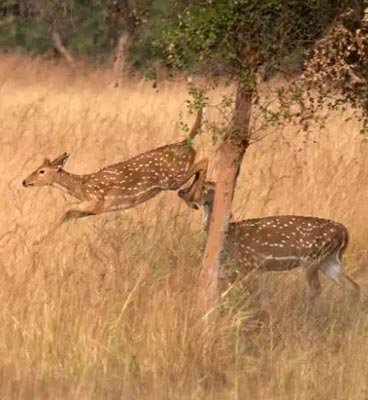
The Panna Protected Area has several golden-furred chitals. Deer are social and utilise alarm sounds to warn each other of danger. Grouped deer pause, lift their ears, and peer into thick undergrowth. This worries them.
2. Sambar Deer :-
The sambar is India’s largest deer. They love deep, shady woods and live alone or in small groups. Work at dusk and dawn. Males with gorgeous antlers call from miles away at night during mating season.
3. Chinkara (Indian Gazelle) :-
Within India’s Panna Wildlife Park, the Indian gazelle exhibits remarkable adaptability to wild environments. It is one of the herbivores with the top running capabilities in this region. When disturbed, it gathers in groups to leap and relocate to avoid danger. It is the agile, bounding, dry-season savanna form of high viewing value.
Birdlife: Over 200 Reasons to Look Up
It is famous for having many different kinds of birds. Over 200 resident and migratory bird species have been documented. Since they rarely see this bird, birdwatchers should pay closer attention to it.
This wild park, located in India, is home to 5 vulture species, a rare and outstanding achievement among India’s protected areas for its retained vulture species count. The most frequently recorded species within the park are the Indian vulture and the white-rumped vulture, and the rare king vulture even draws professional birdwatchers from all over India to make special trips to the park to carry out observation work.
This region designates six bird species as key monitoring targets. Only two of the species are on the real list of species to watch. Beautiful Asian paradise flycatcher tail. Diverse fauna draws travellers to Ranthambore. Bar-headed geese do overwinter at altitude, but Panna offers a distinctive blend of natural experience and long-term conservation.
Long-billed scimitar-babblers live in deep forests, white-necked storks live in rivers. A program that includes Panna sightseeing and a Ken River boat trip allows you to witness uncommon wild water and wading birds.
Most popular wildlife parks rely on hype to generate public exposure. It has high species density, Ranthambore is popular with the general public, and Panna is about exclusive, pristine natural experiences and long-term proactive conservation.”
If you are an animal lover, you must visit this part of the world to see the sandbars of the Ken River, where the successful reintroduction of wild tigers and gharials is a sign of the region’s lucky ecological revival.
Pre-book your safaris if you are visiting Panna National Park. And planning has got to be even further ahead for the annual peak tourist season from February through May.
FAQ - Wild Animals Found In Panna Tiger Reserve
1 – Which animal is most famous in Panna National Park?
The Royal Bengal Tiger is the park’s most famous animal. The Ken River’s Gharial (Gangetic crocodile) is the park’s second dominant species.
2 – Can leopards be seen in Panna National Park?
Indian leopards are more frequent than tigers and thrive on rocky terrain.
3 – When is Panna National Park’s fauna best seen?
February to May are ideal for wildlife tracking in the dry season. Predictable and trackable animal movements are required at water sources.
4 – What are the Other Popular Wild Animals Found in Panna National Park?
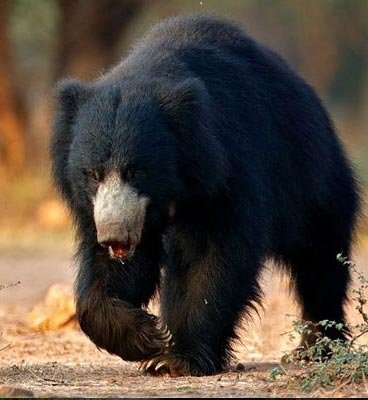
Bengal Tiger (Bagh) , Leopard (Tendua) , Sloth Bear (Bhalu) , Wild Dog / Dhole (Jangli Kutta) , Sambar Deer (Sambar) , Chital (Spotted Deer) , Gharial (Ghariyaal) , Nilgai (Neelgai / Blue Bull) , Fishing Cat (Machli Wali Billi) , Hyena (Lakarbagha) , Chousingha (Char Singa) , Chinkara (Chinkara) , Mugger Crocodile (Magarmach) Etc.
5 – What are the famous Bird Species found in Panna Tiger Reserve?
Asain Paradise Flycatcher (State Bird Of Madhya Pradesh) , Vultures , Bar-headed Goose , White-necked Stork, Bloosom-headed Parakeet, Honey Buzzard , Brown Fish Owl , Rufous Woodpecker / Rufous-bellied Woodpecker , Grey Heron , Lesser Whistling Teal ( Migratory Duck) , Grey Francolin , Indian Peafowl (Peacock) , Bareheaded Goose , Indian Pond Heron , Junglefowl, Little Grebe Etc.