FAQs

Frequently Asked Questions

1. What is Panna National Park known for?

Panna National Park in Madhya Pradesh is renowned for its diverse wildlife, including tigers, and its picturesque landscapes featuring plateaus, gorges, and the Ken River.

2. How can I reach Panna National Park?

The nearest airport is Khajuraho Airport, approximately 25 kilometers away. The park is also well-connected by road, and the nearest railway station is Khajuraho. Other important railheads are Jhansi, Katni, and Satna.

3. What is the best time to visit Panna National Park?

The most suitable time to visit Panna National Park is from November to February when the weather is pleasant, and wildlife sightings are more frequent. Winters are also a good time for witnessing and admiring the avifauna diversity of the national park. 

4. Are there accommodation options within the park?

Yes, Panna National Park offers various accommodation options, including forest lodges and resorts for visitors. 

5. How can I book a safari in Panna National Park?

Safari bookings can be made online through the online safari booking page. Go through the instructions for a smooth procedure. An advance booking is always advised.

6. What wildlife can be spotted in Panna National Park?

Apart from tigers, Panna is home to leopards, sloth bears, various deer species, and a rich variety of birdlife.

7. Are there specific entry gates for safari in Panna?

Yes, the park has dedicated entry gates like the core Hinauta and Mandla Gate and the buffer Akola and Jinna Gate. 

8. Are there any guidelines for wildlife enthusiasts visiting Panna National Park?

Visitors are advised to follow ethical wildlife viewing practices, maintain a safe distance from animals, adhere to the park’s rules and regulations, and abide by the instructions of the safari jeep driver or the guide’s instructions.

9. What are the tourist attractions at Panna National Park?

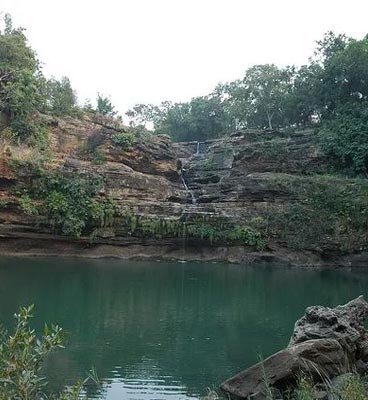
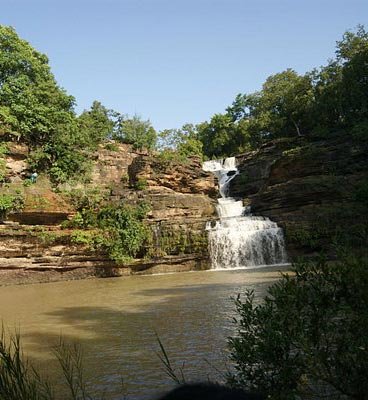
Apart from admiring the wilderness of the forest at Panna National Park during the jungle safari, tourists can also visit some of the significant attractions present at Panna National Park, such as Baldev di Temple, Prannath ji Temple, Pandav Falls and Caves and Raneh Falls.

Enquiry

How to Plan Panna Tour

How to Plan Panna National Park Tour

Panna National Park is considered to be a hidden gem, not known to many, in comparison to other wildlife destinations like Bandhavgarh, Satpura and Kanha. Located in the Panna and Chhatarpur districts of Madhya Pradesh, Panna National Park lies at a neighbouring location of Khajuraho, the renowned city of UNESCO World Heritage Site of Group of Monuments. A tour to Panna National Park incorporates thrilling wildlife safari in its dedicated zones along with mesmerising boating experience on the Ken River. Additionally, Panna being cradled in nature, there are a few nearby attractions including enchanting caves and waterfall, along with the Khajuraho Group of Monuments. Therefore, in order to plan a perfect trip to Panna National Park, to get the best of experiences, a thorough enlisting of all the necessary tasks is important in a chronological order. The planning begins with thorough research about the location of the national park, its flora and fauna, and several other details such as commute, ideal season, accommodation, activities and so on.

Here’s a step-by-step guide on how to plan a perfect tour to Panna National Park:

1. Choose the Best Time to Visit

The ideal time to visit Panna National Park is between October and March, during the cooler months of the year when the weather is pleasant and wildlife sightings are frequent. The monsoon season (July to September) often sees the national park closing due to heavy rainfall. Summer months (April to June) are also suitable for spotting wildlife, as animals gather around water bodies, but be prepared for high temperatures.

2. Search for Transportation to Panna National Park

The nearest airport is Khajuraho Airport, approximately 25 km from Panna. The closest railway station is Khajuraho Junction (22 km away). From Khajuraho, one can easily hire a taxi or book a private vehicle to reach the park. If driving, ensure you have a proper road map, as the park is well-connected by road to major cities like Jhansi and Bhopal.

3. Decide on the Safari Zones

When tourists start planning for Panna National Park quite in advance, they have the luxury to choose their preferred safari zone or choose multiple safaris in different zones. Panna National Park has 4 safari zones, namely Madla and Hinouta (core Zones) and Jinna and Akola (Buffer Zones). Safaris are conducted in morning and evening and jeeps are available in full and sharing basis.

4. Book the Safari in Advance

For a seamless experience, it’s essential to book your Panna jeep safari in advance. The park offers both morning and afternoon safari slots, with limited vehicle permits for each. Safaris can be booked online. It’s advisable to secure your spot at least a few weeks before your visit to ensure availability.

5. Choose Accommodation

For convenience, select accommodations that are close to your chosen entry gate for easy access to safaris and park activities. Panna National Park offers a range of accommodation options to suit different budgets. Insert your decided dates to check for availability in the hotels or resorts. 

6. Plan the Safari Experience

Jeep Safari is the most popular way to explore Panna’s wildlife, including sightings of tigers, leopards, sloth bears, and a variety of birds. Opt for early morning or late afternoon safaris for the best chance of spotting wildlife. In addition to the jeep safari, Boat Safari on Ken River is also a unique offering, the boat safari provides a scenic view of the park’s landscape and a chance to spot crocodiles, water birds, and other aquatic wildlife.

7. Explore Nearby Attractions:

Enhance the trip to Panna National Park by visiting nearby attractions. Some of  the nearby destinations include –

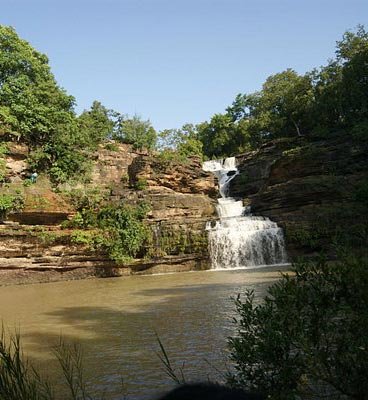
  • Pandav Falls and Caves:  A beautiful waterfall with a historical significance located within the park.
  • Ken Gharial Sanctuary: Adjacent to Panna, this sanctuary is home to the critically endangered Gharial, offering an excellent opportunity for reptile sightings.
  • Khajuraho Temples: Just a short drive away, these UNESCO World Heritage temples are famous for their intricate sculptures and are a must-visit for cultural exploration.

8. Pack Wisely for Your Tour

Packing appropriately is the key to ensure a smooth and comfortable trip, especially to a wildlife destination like Panna National Park. 

  • Light, neutral-coloured clothing for safaris (avoid bright colours).
  • Binoculars and a camera to enhance your wildlife viewing and photography experience..
  • Comfortable walking shoes for nature walks and exploring the park.
  • Sunscreen, hat, and sunglasses to protect yourself from the sun, especially during summer months.
  • Insect repellent for the evenings.
Enquiry

How to reach Panna

How to reach Panna

Panna National Park, located in the Vindhyan Ranges, spans across the Panna and Chhatarpur districts in northern Madhya Pradesh. Detailed information regarding travel distances to Panna National Park is provided below to facilitate seamless travel planning. This information is invaluable for tourists, helping to address key questions that may arise during the planning process. It aids in determining the best route, identifying nearby attractions to visit before or after the Panna National Park tour, and understanding access points. This guide focuses on the most popular entry gates of the park, which provide access to the core zones of the Panna Tiger Reserve.


Effective planning of a visit to Panna National Park necessitates a clear understanding of the travel options available. Knowing the distances from neighboring cities is particularly important for those residing nearby. The following is a detailed guide on reaching Panna National Park, whether traveling by air, rail, or road.


By Train

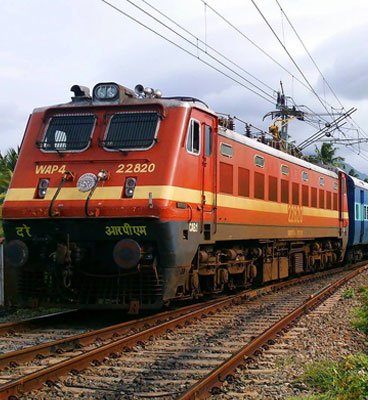
The nearest railway station to Panna National Park is Khajuraho Railway Station, which is well-connected to cities like Bhopal, Delhi and Udaipur. Other railheads that link Panna National Park to the significant cities of India are as follows –

  • Jhansi Junction connects Mumbai, Delhi and Chennai to Panna National Park.
  • Katni Junction connects Panna National Park with Mumbai, Chennai and Nagpur
  • Satna Railway Station is the best option for those travelling from Delhi, Kolkata and Varanasi.

Approximate distance between the nearby railheads and Panna National Park

  • Khajuraho Junction – 22 km
  • Satna Railway Station – 88.3 km
  • Katni Junction – 137 km
  • Jhansi Junction – 184 km

From the railway stations, one can hire a taxi or use local transportation to reach the national park. 

By Flight

Flights are the fastest mode to cover a long distance. However, in order to reach Panna National Park, the nearest airport is Khajuraho Airport, approximately 25 km from the national park. Direct flights from Delhi and Varanasi are only available to reach Khajuraho.

The other major cities of India like Mumbai, Kolkata, Bangalore, Bhopal, Chennai, and a few more have connecting flights through Delhi to reach Khajuraho Airport.

By Road

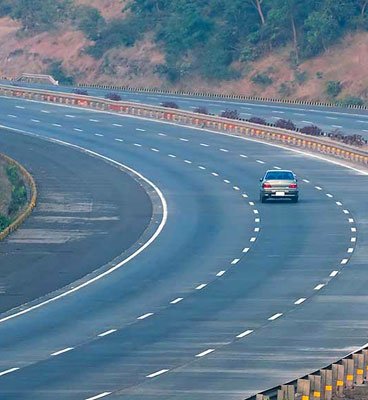
The central state of Madhya Pradesh is surrounded by states like Rajasthan, Uttar Pradesh, Chattisgarh, Maharashtra and Gujarat. However, only a few cities in the southern part of Uttar Pradesh form the neighbouring areas of Panna National Park. Jhansi, Prayagraj, Kanpur and Chitrakoot are some of the major cities in Uttar Pradesh, from where tourists prefer to reach Panna National Park by road. 

Approximate distance from the neighbouring and major cities near Panna National Park

  1. Khajuraho – 27 km
  2. Jabalpur – 231 km
  3. Orchha – 181 km
  4. Gwalior – 286 km
  5. Shivpuri – 288 km
  6. Bhopal – 381 km
  7. Lucknow – 288 km
  8. Varanasi – 370 km
  9. Prayagraj – 276 km
  10. Kanpur – 248 km
  11. Jhansi – 183 km
  12. Chitrakoot – 132 km
  13. Delhi – 681 km
  14. Jaipur – 631 km

Popular Wildlife Destinations near Panna National Park

Madhya Pradesh is a renowned location known as the land of tigers, accommodating several famous national parks. Wildlife enthusiasts from across the country travel to Madhya Pradesh to engage in wildlife safaris crafted as long itineraries.


  1. Kanha National Park – 370 km
  2. Bandhavgarh National Park – 234 km
  3. Satpura National Park – 339 km
  4. Sanjay Dubri National Park – 198 km
  5. Pench National Park – 433 km
Enquiry

Panna Flora

Flora in Panna National Park

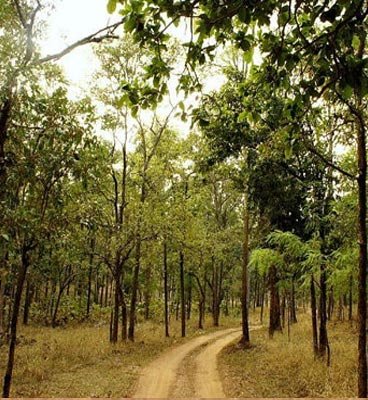
The Panna National Park features expansive plateaus and gorges, with its geography broadly divided into the upper Talgaon Plateau, the middle Hinauta Plateau, and the Ken Valley. Additionally, undulating hills flank the Ken River valley throughout the national park.

Characterized by a dry and hot climate and shallow Vindhyan soils, the area hosts dry Teak and dry mixed forests. 

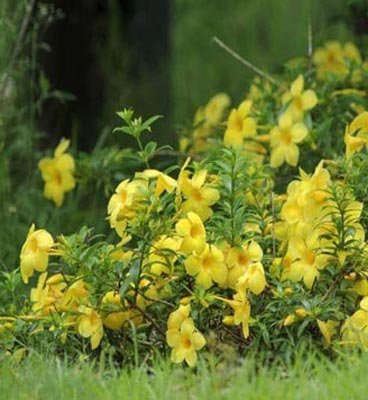
  • The primary vegetation comprises Miscellaneous Dry Deciduous forest with interspersed grasslands, alongside riverine areas, open grasslands, open woodlands with tall grasses, and thorny woodlands. 
  • Notable floral species include Tectona grandis, Diospyros melanoxylon, Madhuca indica, Buchanania latifolia, Anogeissus latifolia, Anogeissus pendula, Lannea coromandelica, Boswelia serrata, among others. 
  • Major shrub species encompass Lantana camara, Grewia species, Nyctanthusarbortristis, Ixora species, Ziziphus mauritiana, and Ziziphus Oenoplia.
  • Dominant grass species like Apluda mutica, Themeda quadrivalvis, heteropogon contortus, and Aristida species are present at Panna National Park
Enquiry

Panna Fauna

Fauna in Panna National Park

Panna, situated in the Vindhyan Ranges, holds the distinction of being India’s 22nd Tiger Reserve and the 5th in the state of Madhya Pradesh. Encompassing parts of both Panna and Chattarpur districts in the northern region of Madhya Pradesh, Panna National Park was established in 1981. Recognizing its significance in wildlife conservation, the Indian Government designated it as a Project Tiger Reserve in 1994. The park’s reserved forests in the Panna district and segments of the protected forests in the Chattarpur district once served as hunting grounds for the former rulers of Panna, Chattarpur, and Bijawar princely states. The Ken River, meandering through the national park from south to north, not only adds to the scenic beauty but is also a habitat for Gharial, Mugger, and various aquatic species. Additionally, the river acts as a tributary to the Yamuna River, contributing to the overall ecological diversity of the region.

Mammals

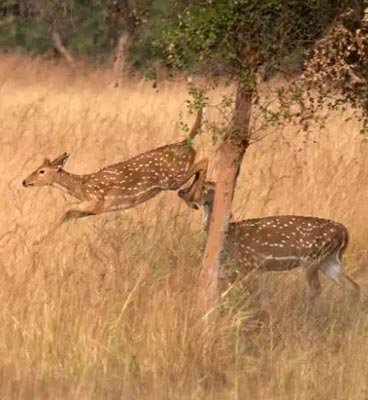
The majestic tiger, revered as the king of the jungle, gracefully roams within the confines of this secure though somewhat compact habitat. Accompanying this regal creature are its fellow inhabitants – leopards, wild dogs, wolves, hyenas, and smaller cats, all coexisting in this biodiverse haven. The sloth bear, finding solace in the rocky surfaces and tranquil valleys, establishes these terrains as its cherished home. Wooded areas within the park are adorned with the presence of the sambar, the largest among Indian deer species, alongside chital and chousingha. Blue bulls and chinkara gracefully navigate the open grasslands, particularly along the periphery. Adding to the diversity, the Fishing Cat, one of India’s 15 small cat species, finds its refuge within the precincts of Panna National Park, contributing to the preservation of endangered wildlife in this unique ecosystem.

Birds

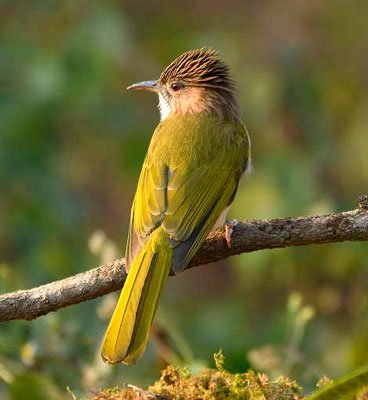
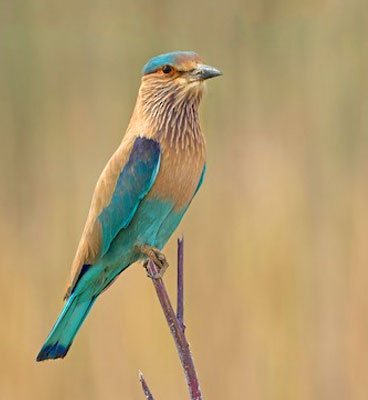
The avian population within the park encompasses over 200 species, showcasing a diverse array of migratory birds. Among these, notable sightings include – 

  • White-necked stork 
  • Bar-headed goose
  • Honey Buzzard
  • Blossom-headed Parakeet
  • Paradise flycatche 
  • Slaty-headed Scimitar Babbler.

Notably, the park hosts five distinct species of vultures, further highlighting its significance as a haven for various bird species.

Enquiry

Panna Birdwatching

Birdwatching in Panna

Panna National Park, located in Madhya Pradesh’s Panna and Chhatarpur districts, is renowned for its rich biodiversity and scenic beauty. Since 1981, this park, nestled in the Vindhya Range and along the banks of the Ken River, has gained fame not only for its wildlife but also for its birdwatching opportunities. It is home to a vast array of bird species, making it one of the most sought-after destinations for birdwatchers.
 
Panna National Park’s varied ecosystems, including rivers, dense forests, grasslands, and hills, create ideal habitats for both resident and migratory birds. The proximity of the Ken River enhances this diversity, attracting numerous water birds and waders. Exploring the less-frequented trails of Panna offers a tranquil and immersive birdwatching experience, where the vibrant colours and calls of rare and common species like peafowls, eagles, and other majestic birds break the jungle’s silence. Whether you are a novice or an expert birdwatcher, Panna National Park provides an unparalleled opportunity to witness and appreciate India’s diverse avifauna amidst its pristine and picturesque landscapes.

Watching various species of birds

  • The Asian Paradise-Flycatcher, scientifically known as Terpsiphone paradisi, designated as the state bird of Madhya Pradesh, is a strikingly beautiful bird commonly spotted in Panna National Park. With its long, elegant tail feathers and vibrant plumage, the Asian Paradise Flycatcher is a visual delight. Known for its fast, erratic flight, spotting one is a true treat.
  • Vultures have established a notable presence in Panna, choosing the picturesque gorges of Panna National Park as prime locations for nesting and roosting.
  • Panna National Park is home to a diverse range of birds, including the majestic bar-headed goose and the vibrant blossom-headed parakeet, offering birdwatchers a variety of captivating species to observe.
  • Other notable species of avifauna residing at Panna encompass –
  • White-necked stork
  • Indian Scimitar Babbler
  • Indian Pond Heron
  • Honey Buzzard
  • Slaty-headed Scimitar Babbler, and many more

Best time for Bird Watching in Panna National Park

The ideal time to embark on a birdwatching tour in Panna National Park is between October and March, during the winter months. During this time, the migratory birds from colder regions flock to Panna, adding to the already diverse resident species. The weather is pleasant, and the national park’s landscape is lush, providing a perfect backdrop for birdwatching and photography expedition. 

Essential Tips for Birdwatching in Panna National Park:

  • Plan for a birdwatching trip to Panna National Park in appropriate weather, that during the winter season from November to February. Planning for birdwatching in advance is recommended as it is the peak season.
  • Accompanying a guide during the birdwatching safari is a must. They can provide the best insights and tips to experience the best views of birds.
  • Jeep Safaris are the best mode for a comfortable birdwatching tour in Panna. It is recommended to opt for the early morning safari to get the best pictures of the various speciesof birds. 
  • Pack appropriate equipment for coming for birding in Panna. Carry a good pair of binoculars and a field guide to help spot and identify the birds. A camera with a zoom lens is also useful if you want to capture distant species.
  • Birdwatching requires patience. Keep noise to a minimum, move slowly, and remain still when necessary to avoid startling the birds.
  • To blend into the environment, wear muted colors like green, brown, or khaki. Bright clothing can disturb birds, reducing your chances of sightings.
Enquiry

Best time to visit Panna

Best Time to Visit Panna National Park

Panna National Park, part of the Panna Tiger Reserve, is situated in the northern region of Madhya Pradesh. Renowned as a premier safari destination, it holds a significant place in Madhya Pradesh tourism, particularly within the Central India region, which is famed for tiger safaris. As a key location for tiger sightings, Panna attracts numerous wildlife photographers. The park’s core safari zones are accessible from October through June, during which jeep safaris are permitted. The park remains open to visitors from October 15th to June 15th, after which it closes for the monsoon season, restricting tourist access.

Peak Season - Winter (October to March) - 4℃ to 28℃

The most suitable season to visit Panna National Park is during the winter months, from October to March. During this period, the weather is cool and pleasant, making it perfect for exploring the park’s diverse flora and fauna. The temperature ranges between 4°C to 28°C, providing a comfortable environment for safaris and outdoor activities.

Advantages:

• Comfortable Wildlife Sightings: The cool weather encourages tourists to venture out for a full-day safari without bothering about the hot and humidity. Booking multiple safaris in the morning and evening increases the chances of spotting wildlife. • Birdwatching: Winter also attracts a variety of migratory birds to the park, making it a paradise for birdwatchers. • Lush Landscapes: Post-monsoon greenery is still fresh, offering a picturesque backdrop for photography.

Shoulder Season - Summer (April to mid-June) - 24℃ to 45℃

As April arrives, the summer season begins in Panna National Park, bringing with it extremely hot and humid weather conditions. The intense heat can make it challenging and uncomfortable for tourists to explore the park. Nevertheless, despite these unfavorable conditions, many wildlife enthusiasts continue to visit during this period.

Advantages

• Prime Wildlife Spotting: With the drying up of water bodies, animals congregate around the remaining water sources, making sightings more frequent and predictable.

• Fewer Tourists: The hot weather deters tourists from embarking on the prolonged hours of safari. Consequently lesser density of tourists allows for a more exclusive and uninterrupted experience.

Off-Season - Monsoon (mid-June to mid-October) - 18℃ to 36℃

Monsoon is not the ideal season to visit Panna National Park. The park remains closed from 15th June to 15th October due to heavy rainfall, which revitalizes the forests and rejuvenates the natural water bodies. All the safari activities, both in the core and the buffer zones are halted during the rainy months in Panna. Tourists are not allowed to enter the national park premises.

Monsoon Effects on Panna:

• Renewed Ecosystem: The monsoon season breathes new life into the park, with lush greenery and blooming flora.

• Off-Season Advantages: If you prefer a quieter experience and are interested in exploring the park’s surroundings, the monsoon period offers a serene environment without the usual crowds.

The ideal time to visit Panna National Park varies based on individual preferences and priorities. Whether you are drawn to the park’s lush green landscapes, vibrant flora, or thrilling wildlife encounters, careful planning will allow you to fully appreciate the distinctive experiences each season offers in this remarkable national park.

Enquiry

Privacy Policy

Terms & Conditions

Refund Policy

Cancellation Policy